
How to Choose the Right Lamp: A Buyer's Guide
Introduction: Beyond the Watt
For decades, choosing a light bulb was simple: you picked one based on watts, like 60W or 100W. However, a watt only measures energy consumption, not brightness. With the rise of energy-efficient lighting like LEDs, which use far fewer watts to produce the same amount of light, this old rule of thumb is obsolete.
Today, selecting the right lamp involves understanding new terms like lumens and Kelvin. This guide will demystify these concepts and equip you with the knowledge to choose the perfect lamp for every room in your home.
Step 1: Understand Your Brightness - Lumens
The most important factor in choosing a lamp is determining how bright you need it to be. For this, you need to look at lumens (lm).
What are Lumens? Lumens are a measure of the total amount of visible light emitted by a lamp. Simply put, the higher the lumen rating, the brighter the light.
Lumens vs. Watts: Forget watts for brightness. The following table shows how lumens compare to the old wattage system for incandescent bulbs:
| If You Used to Buy (Incandescent)****: | Now Look For (Lumens)****: | |
|---|---|---|
| 40-watt bulb | → | 450 lumens |
| 60-watt bulb | → | 800 lumens |
| 75-watt bulb | → | 1100 lumens |
| 100-watt bulb | → | 1600 lumens |
Pro Tip: As a general rule of thumb, living rooms and bedrooms typically need between 400 to 800 lumens per fixture, while task-oriented areas like kitchens and bathrooms require brighter light, around 1000 to 1500 lumens.
Step 2: Set the Mood - Color Temperature
Have you ever noticed that some lights feel warm and cozy (like firelight), while others feel cool and energizing (like a surgeon's lamp)? This is measured by Color Temperature, and its unit is Kelvin (K).
The Kelvin scale runs from warm to cool light:
Warm White (2700K - 3000K): This range produces a yellow-white light that is calming and relaxing. It's ideal for creating a cozy atmosphere in living rooms, dining rooms, and bedrooms.
Natural White / Cool White (3500K - 4500K): This range emits a whiter, more neutral light. It helps with concentration and is perfect for kitchens, bathrooms, home offices, and garages.
Daylight (5000K - 6500K): This is a bluish-white light that mimics natural daylight. It is very bright and can help with detailed tasks, but its cold feel can be harsh in living areas. It's best suited for workshops, utility rooms, or detailed craft areas.
Step 3: Choose the Right Technology - Bulb Types
While LED is the modern standard, it's helpful to know how it compares to older technologies.
The Verdict: For almost every situation, an LED bulb is the best choice. It combines long life, high efficiency, and falling prices, offering the lowest total cost over its lifetime.
Step 4: Check the Fixture & Socket
A perfect bulb is useless if it doesn't fit your lamp. Always check the physical compatibility.
Base Type: The most common base for household lamps is an E26 (medium screw base) in North America and an E27 in many other regions. Smaller fixtures, like bedside lamps, might use an E14 (small screw base). Always check your fixture's socket before you buy.
Size and Shape: Consider the enclosure of your light fixture. A bulb that is too large may not fit inside a covered lampshade or a recessed ceiling fixture. Take a picture of your old bulb and fixture or bring it to the store with you to avoid buying the wrong size.
Step 5: Consider Advanced Features
Modern lamps offer features that older technologies couldn't.
Dimmability: Not all LED bulbs are dimmable. If you plan to use the bulb with a dimmer switch, you must purchase a bulb that is explicitly labeled as "Dimmable." Non-dimmable LEDs used on a dimmer switch will flicker and may fail prematurely.
Smart Features: Smart bulbs can connect to your home Wi-Fi or Bluetooth, allowing you to control them with your phone or voice assistant. You can often change their color and brightness remotely, and set automated schedules.
Color Rendering Index (CRI): CRI measures a light's ability to reveal the true colors of objects compared to natural light. The scale goes up to 100. For most homes, a CRI of 80+ is good, and 90+ is excellent and recommended for areas like art studios or kitchen counters where accurate color is vital.
Step 6: Read the Label & Save Money
In many countries, lamps come with a standardized "Lighting Facts" label, similar to a nutritional label on food.
Use This Label: This label is your best friend. It clearly lists the bulb's brightness (in Lumens), estimated yearly energy cost, lifespan, light appearance (Color Temperature), and energy used (Watts).
Look for Certification: To ensure quality, safety, and energy efficiency, look for certifications like ENERGY STAR. These labels guarantee that the product has been tested and meets strict performance standards.
Quick Room-by-Room Checklist
Living Room & Bedroom: 800-1100 lm, 2700K-3000K (Warm White). Opt for dimmable LEDs for flexibility.
Kitchen: 1000-1500 lm, 3000K-4000K (Natural White). Choose high CRI (90+) for food prep areas.
Bathroom: 1000-1500 lm, 3500K-4000K (Natural White). Ideal for grooming without shadows.
Home Office / Study: 800-1100 lm, 4000K-5000K (Cool White). Boosts alertness and reduces eye strain.
Hallway / Garage: 500-800 lm, 4000K-5000K (Cool White). Provides clear, functional light.
Conclusion: Your Path to Perfect Lighting
Choosing the right lamp no longer has to be a guessing game. By focusing on lumens for brightness, Kelvin for color, and sticking with LED technology for efficiency, you can confidently select the perfect bulb for any need. Remember to check the socket and size, and don't forget to use the handy Lighting Facts label on the package. With this guide in hand, you're ready to light your home beautifully, efficiently, and smartly.
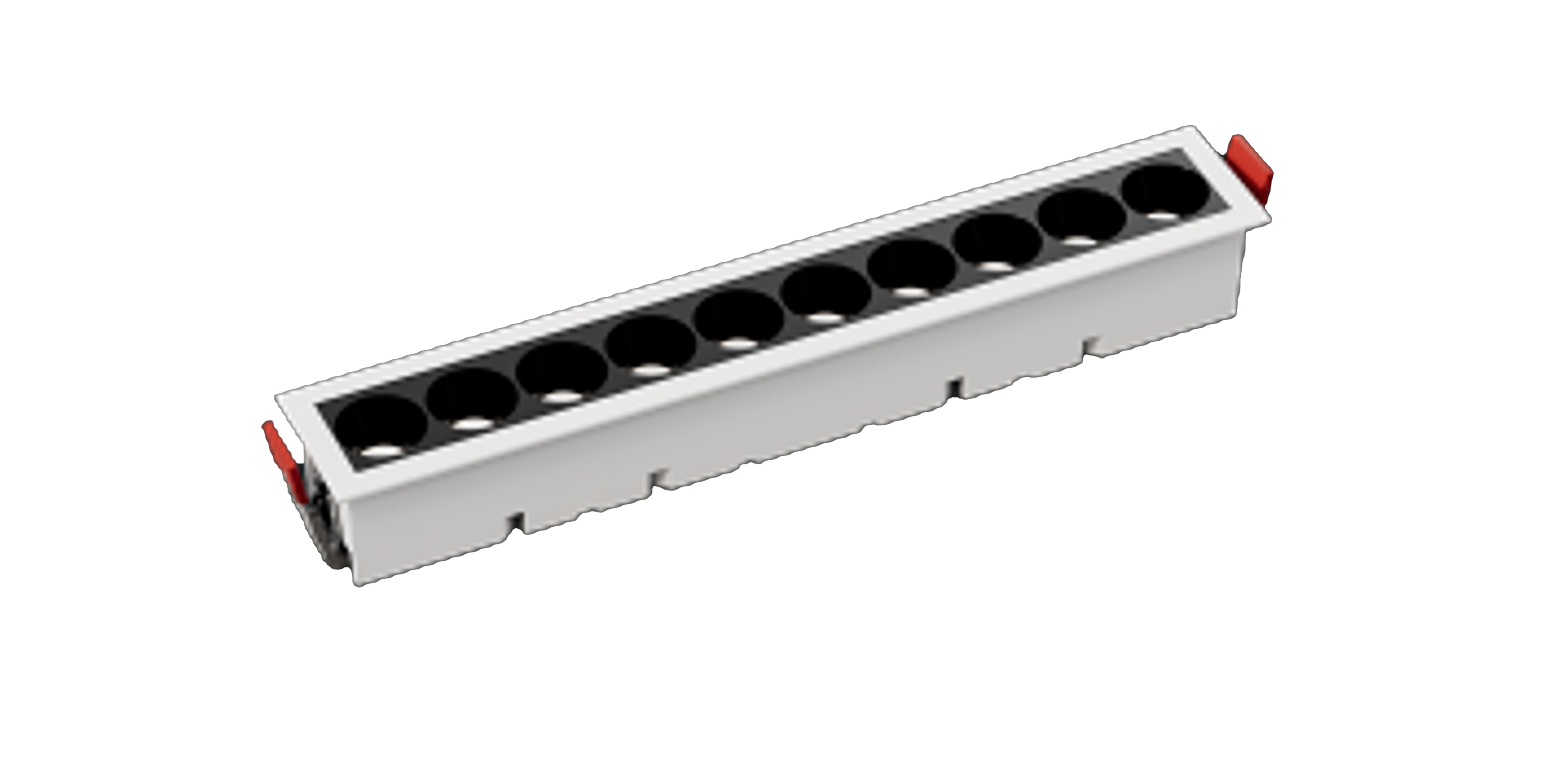 Flicker and Glare: How Poor Light Sources Affect Health and Comfort
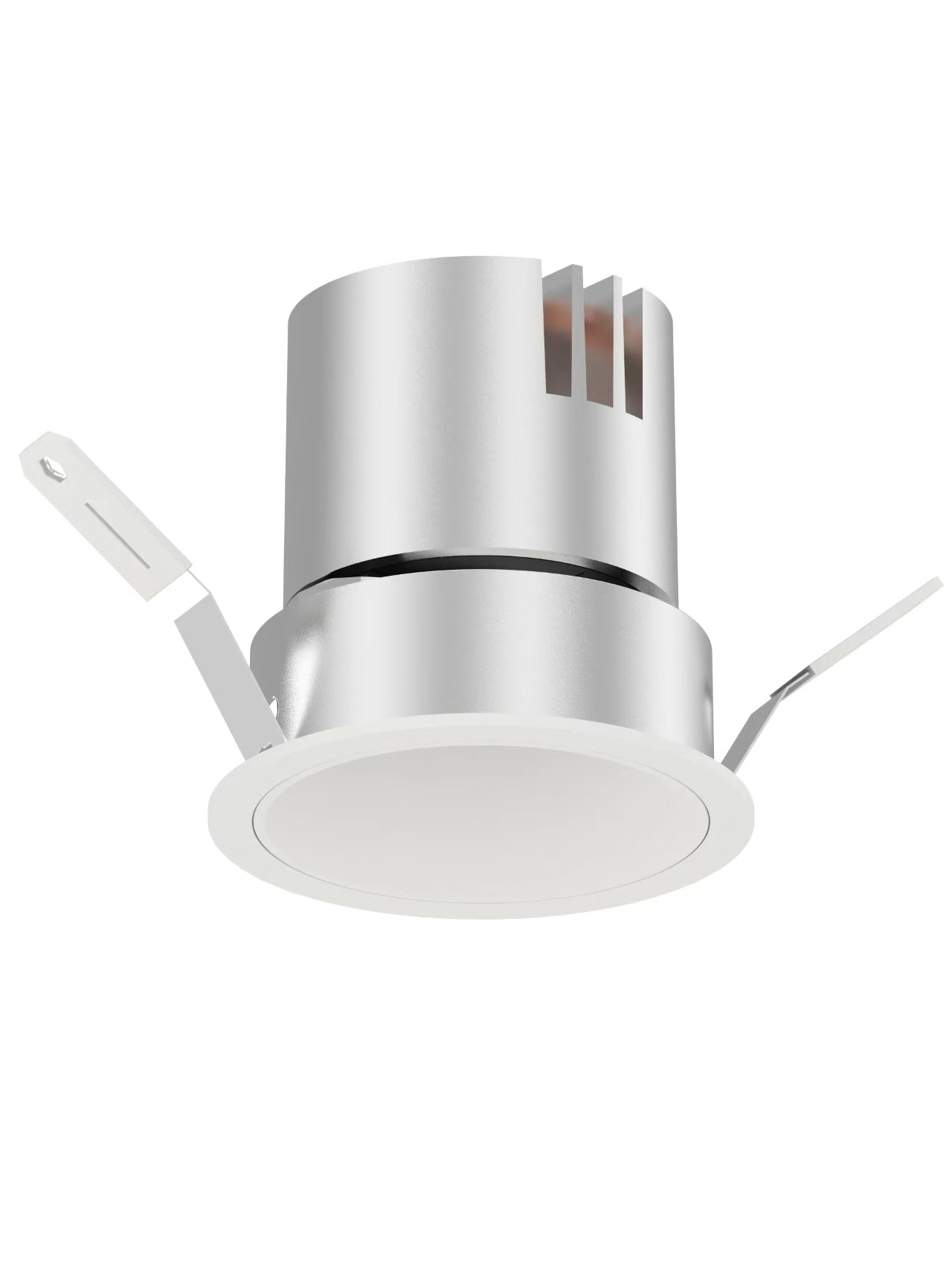 Color Temperature and CRI: The Science Behind Comfortable Lighting
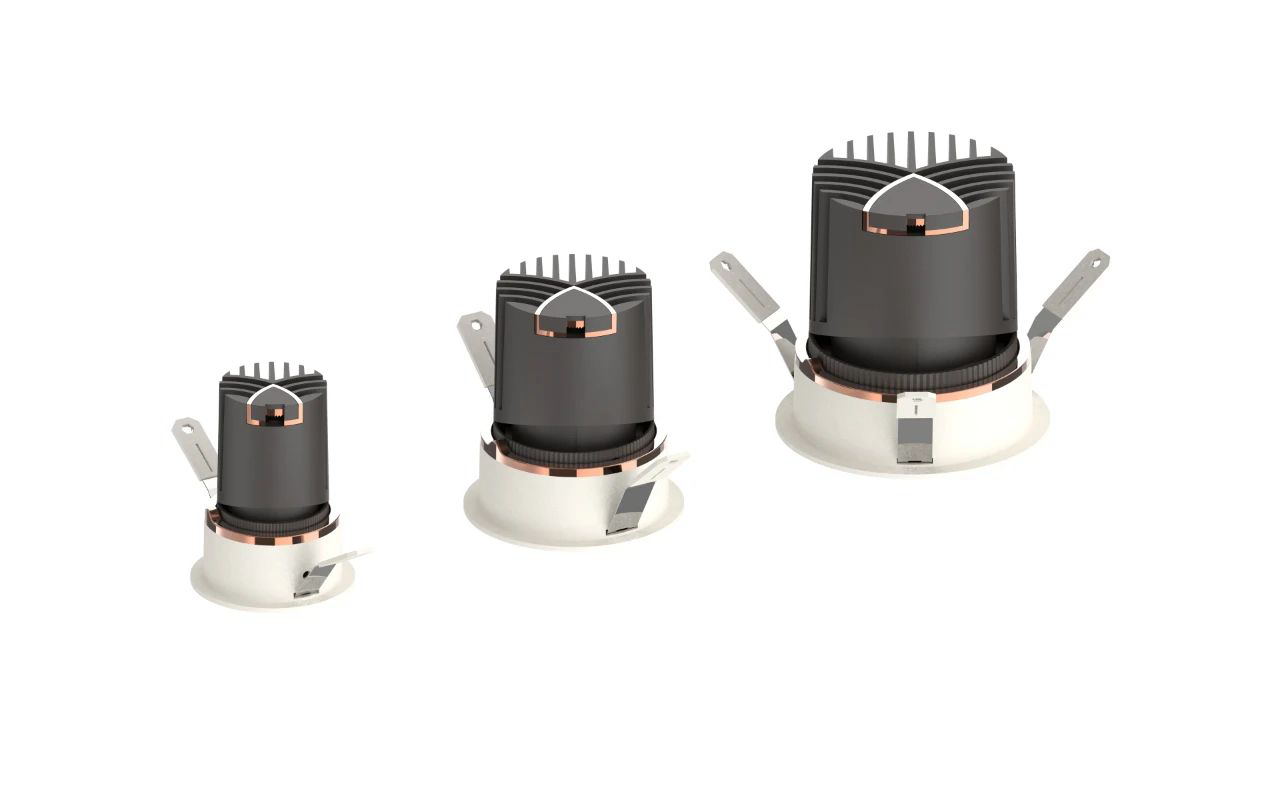 Why Light Source Quality Matters More Than Fixture Design
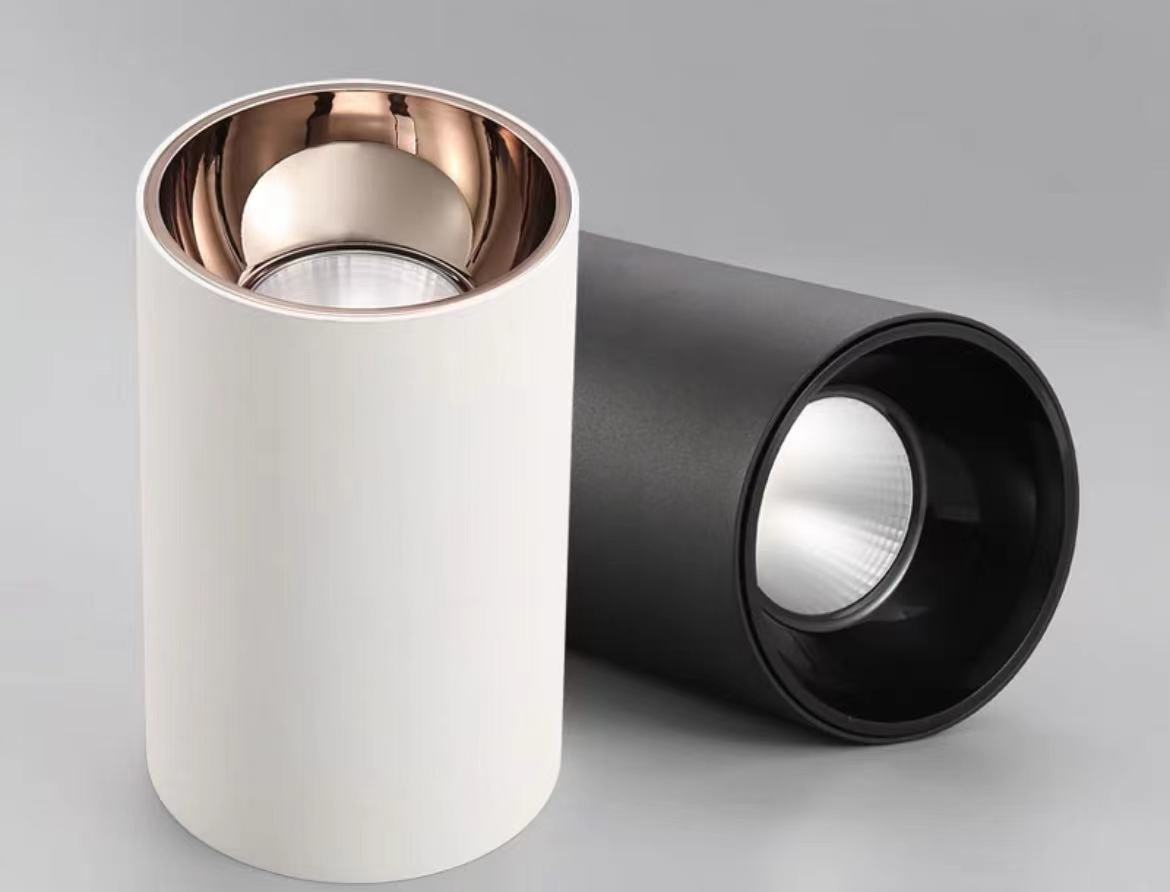 The True Cost of Light: Why Quality Sources Save Money Long-Term